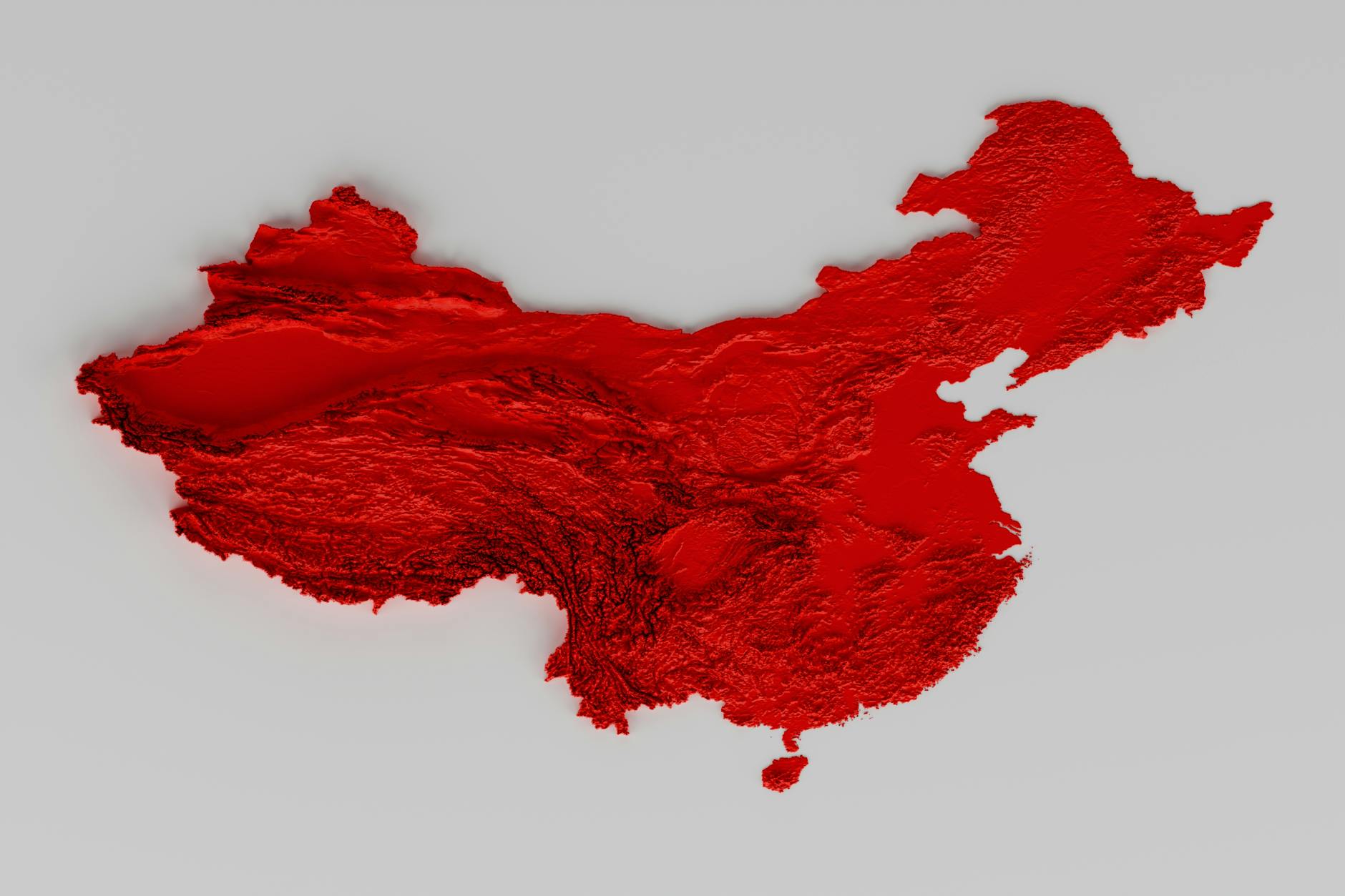
National Policies: Unveiling the Influential Role of Cultural Values
National policies play a crucial role in shaping the direction and development of a country. The implementation of these policies is influenced by a variety of factors, one of them being cultural values. Cultural values form the foundation of societal norms, beliefs, and behaviors, which in turn impact the decision-making process in policy formulation and implementation. In this article, we delve into the influential role of cultural values in shaping national policies and how they contribute to the overall governance and development of a nation.
Understanding Cultural Values in Policy-Making
Cultural values are the deeply ingrained beliefs and principles that guide a society’s collective behavior. These values are often shaped by history, traditions, religion, and social norms. When it comes to crafting national policies, it is essential to consider the cultural values of the population as they influence how these policies will be perceived and implemented. Ignoring cultural values can lead to resistance, lack of compliance, and ultimately policy failure.
Incorporating Cultural Values in Policies
In order to create effective and sustainable national policies, it is crucial to incorporate cultural values into the decision-making process. This involves recognizing and understanding the cultural context in which policies will be implemented. By aligning policies with cultural values, governments can increase acceptance and support from the public, leading to smoother implementation and better outcomes.
Cultural values can also serve as a guiding framework for policymakers, helping them navigate complex societal issues. By tapping into cultural values, policymakers can gain insight into what matters most to the population and tailor policies to address these needs effectively. For example, a country with a strong sense of community and collectivism may prioritize policies that promote social welfare and equality.
The Role of Cultural Diversity in Policy Development
It is important to note that cultural values are not monolithic and vary across regions, ethnicities, and social groups within a country. As such, policymakers must consider the diverse cultural landscape when formulating national policies. Embracing cultural diversity in policy development not only fosters inclusivity but also ensures that policies are relevant and responsive to the needs of all segments of society. By acknowledging and respecting different cultural perspectives, policymakers can create a more cohesive and harmonious society.
Challenges and Opportunities
While cultural values can enrich the policy-making process, they can also present challenges. Conflicting cultural values, outdated traditions, and resistance to change may hinder policy implementation. Overcoming these challenges requires a delicate balance between preserving cultural heritage and adapting to the evolving needs of society.
On the flip side, cultural values offer unique opportunities for innovation and creativity in policy development. By drawing inspiration from cultural traditions and practices, policymakers can devise novel solutions to complex issues, fostering sustainable development and social progress.
In conclusion, cultural values play a significant role in shaping national policies. By understanding, incorporating, and respecting cultural values, policymakers can create policies that resonate with the population and contribute to the overall well-being of society. Embracing cultural diversity and leveraging cultural values as a guiding force can lead to more effective, inclusive, and sustainable governance. The interplay between cultural values and national policies highlights the importance of cultural sensitivity and awareness in decision-making processes.
Leave a Reply